
For information about Deering Park, click here.
Edgewater Wetland Park
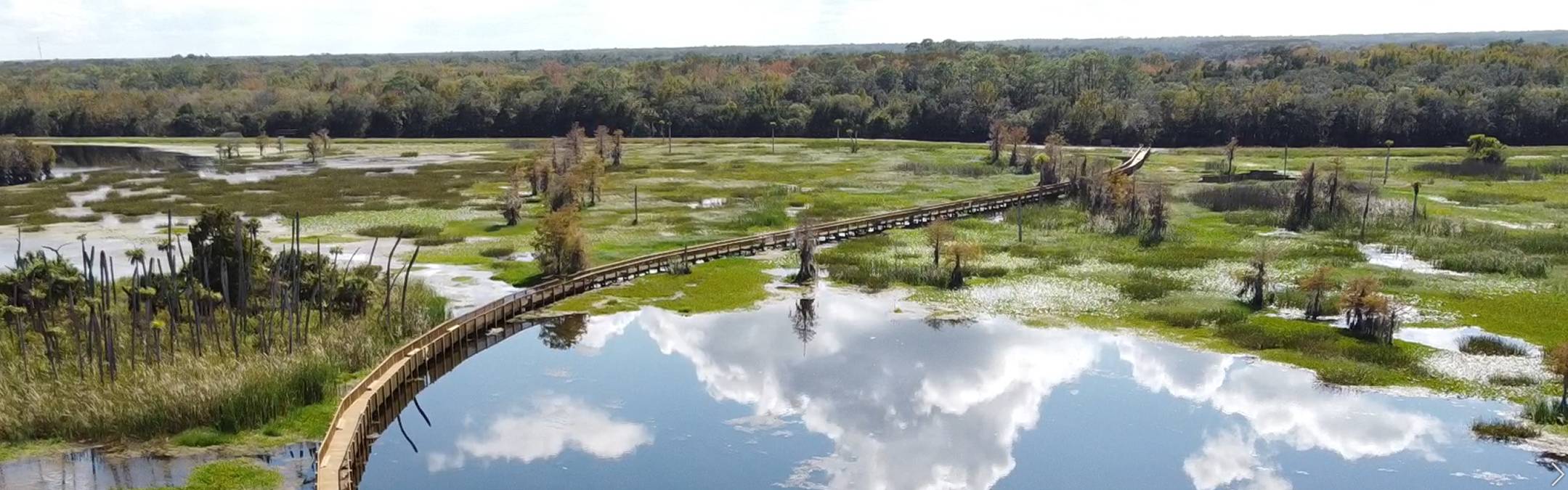
Edgewater Wetland Park is a collaborative environmental project designed to improve water quality in the Indian River Lagoon, restore natural wetland habitat, and provide opportunities for people to experience Florida’s unique landscape.
Located west of the City of Edgewater within the Florida Wildlife Corridor in Volusia County, the project will transform approximately 50 acres of former timberland into a constructed wetland system. The land for the project is being donated by Farmton North LLC, making the project possible through a public private partnership focused on long-term environmental stewardship.
Once completed, the wetland system will redirect between 0.7 and 3 million gallons per day of excess reclaimed water that would otherwise be discharged into the Indian River Lagoon, also known as Mosquito Lagoon, during times when that reclaimed water is not being used by customers. Instead of flowing directly into the lagoon, the excess reclaimed water will move through the constructed wetlands where native vegetation and natural processes remove nutrients before the water percolates into the aquifer.
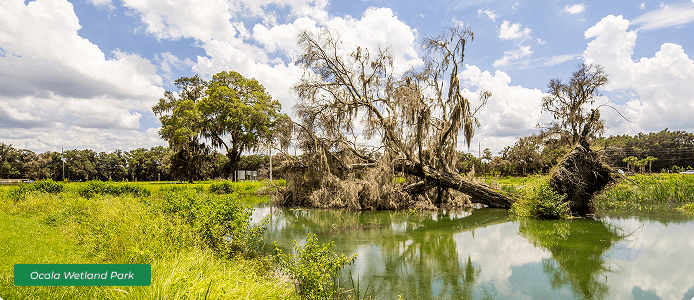
By working with nature, the wetlands will function as a natural filtration system that helps reduce nutrient loading to the lagoon. The project is expected to remove approximately 2,432 pounds of nitrogen and 83 pounds of phosphorus each year. Reducing these nutrients is an important step toward improving water quality, protecting seagrass, and supporting a healthier lagoon ecosystem.
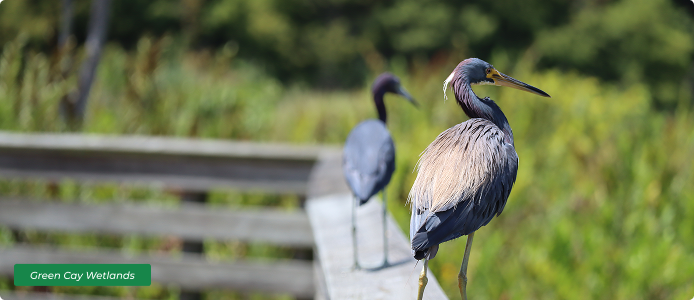
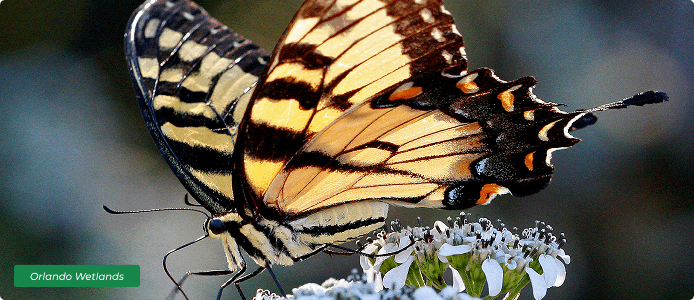
The wetland park is designed to mimic natural systems and will include ponds, marshes, and native plant communities that support a wide range of wildlife. As the ecosystem develops, birds such as herons, egrets, waterfowl, marsh birds, and birds of prey are expected to establish habitat within the wetlands. Species such as roseate spoonbills, tricolored herons, reddish egrets, and wood storks may also benefit from the habitat created by the project.
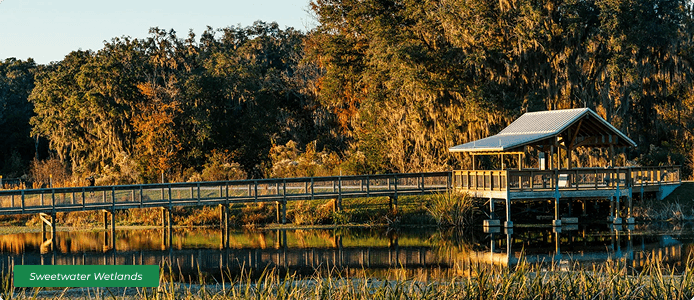
In addition to its environmental benefits, Edgewater Wetland Park will provide opportunities for passive outdoor recreation. Planned features include walking and biking trails that will connect with the regional trail network, including the East Central Regional Rail Trail and the broader SUN Trail system. Visitors will be able to enjoy birdwatching, nature photography, and quiet outdoor exploration while learning about how wetlands improve water quality.
The project represents a partnership between the Deering Park Stewardship District, the City of Edgewater, Farmton North LLC, the Florida Department of Environmental Protection, and a professional design build team responsible for engineering and construction including Phillips Infrastructure, Jacobs, ETM, Wetland Solutions and Family Lands Remembered. The Deering Park Stewardship District is managing the project through construction, after which the completed facility will be conveyed to the City of Edgewater for long term operation and maintenance.
Construction of the Edgewater Wetland Park is expected to begin in 2026 with completion and beginning operations anticipated in 2027. When finished, the wetland park will serve as both an environmental restoration project and a public space where people can connect with the natural landscape while supporting the long-term health of the Indian River Lagoon.
Edgewater Wetland Park reflects a shared commitment to protecting Florida’s water resources, strengthening wildlife habitat, and creating places where conservation and community can thrive together.
Edgewater Wetland Park Frequently Asked Questions
Where is the Edgewater Wetland Park located?
Edgewater Wetland Park is located in Volusia County just west of the City of Edgewater, approximately five miles inland from the Indian River Lagoon. The site sits within the Florida Wildlife Corridor on land that was previously used for agriculture.
Is the Edgewater Wetland Park a public-private collaboration?
The project is a public-private partnership involving several partners.
- Deering Park Stewardship District
- Farmton North LLC
- City of Edgewater
- Florida Department of Environmental Protection
Why is Farmton doing this?
Farmton North LLC is donating approximately 50 acres of land to support the creation of Edgewater Wetland Park as part of a broader commitment to conservation, water quality improvement, the health of the Indian River Lagoon, and responsible long term land stewardship within the Florida Wildlife Corridor. The project demonstrates how working landscapes can contribute to regional environmental restoration and community benefit.
How big is the site?
The wetland park covers approximately 50 acres. This land will be transformed into a constructed recharge wetland designed to filter reclaimed water before it reaches the Indian River Lagoon.
When will the public be able to visit? What is the timeline?
Project timeline:
- Design and permitting -2023 to 2026
- Construction start - Expected in 2026
- Construction completion and beginning operations - Anticipated in 2027
Public access opportunities will follow project completion and establishment of the wetland habitat.
What will the public be able to do here?
Edgewater Wetland Park is intended for passive outdoor recreation and nature appreciation. Potential activities include:
- Walking and hiking
- Bicycling
- Birdwatching
- Nature photography
- Wildlife observation
- Environmental education
The project will also connect to the regional trail network and help expand the East Central Regional Rail Trail and SUN Trail system.
Other activities may depend on future management plans to be developed by the City of Edgewater and the Deering Park Stewardship District.
Will the park be free?
Yes. The intent is for the park to function as a public space where residents and visitors can enjoy nature and outdoor recreation at no cost.
How can the public stay informed?
The public will be able to stay informed through:
- City of Edgewater website and announcements
- Project partner communications
- Community outreach during construction
- Public updates and announcements related to trail connections and park opening
Examples of similar projects
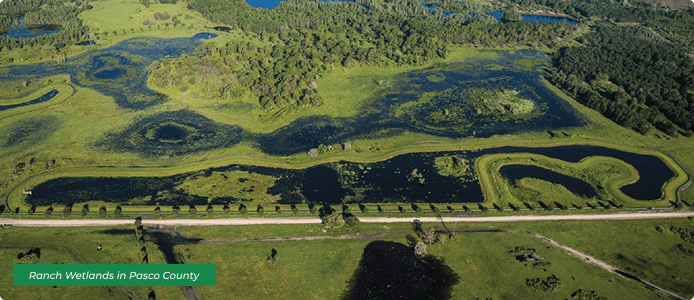
Constructed wetland recharge systems similar to Edgewater Wetland Park exist elsewhere in Florida and have proven highly effective at improving water quality while creating wildlife habitat. Examples include:
These projects demonstrate how constructed wetlands can successfully combine water quality improvement, habitat restoration, and public recreation.
How will the conservation lands be managed over time?
Conservation lands require ongoing stewardship. At Farmton, land management practices include prescribed burns to maintain forest health, removal of invasive plant species, sustainable forestry practices, and habitat restoration and monitoring. These activities help maintain biodiversity, improve forest resilience, and reduce wildfire risks. Conservation areas are monitored by agencies such as the St. Johns River Water Management District, the U.S. Army Corps of Engineers, and environmental organizations.
How will water quality be protected?
Environmental projects associated with the Farmton vision include initiatives such as the Edgewater Wetland Park, which will help improve water quality in the Indian River Lagoon. The project will create wetlands that filter nutrients, recharge the aquifer, and provide additional wildlife habitat.